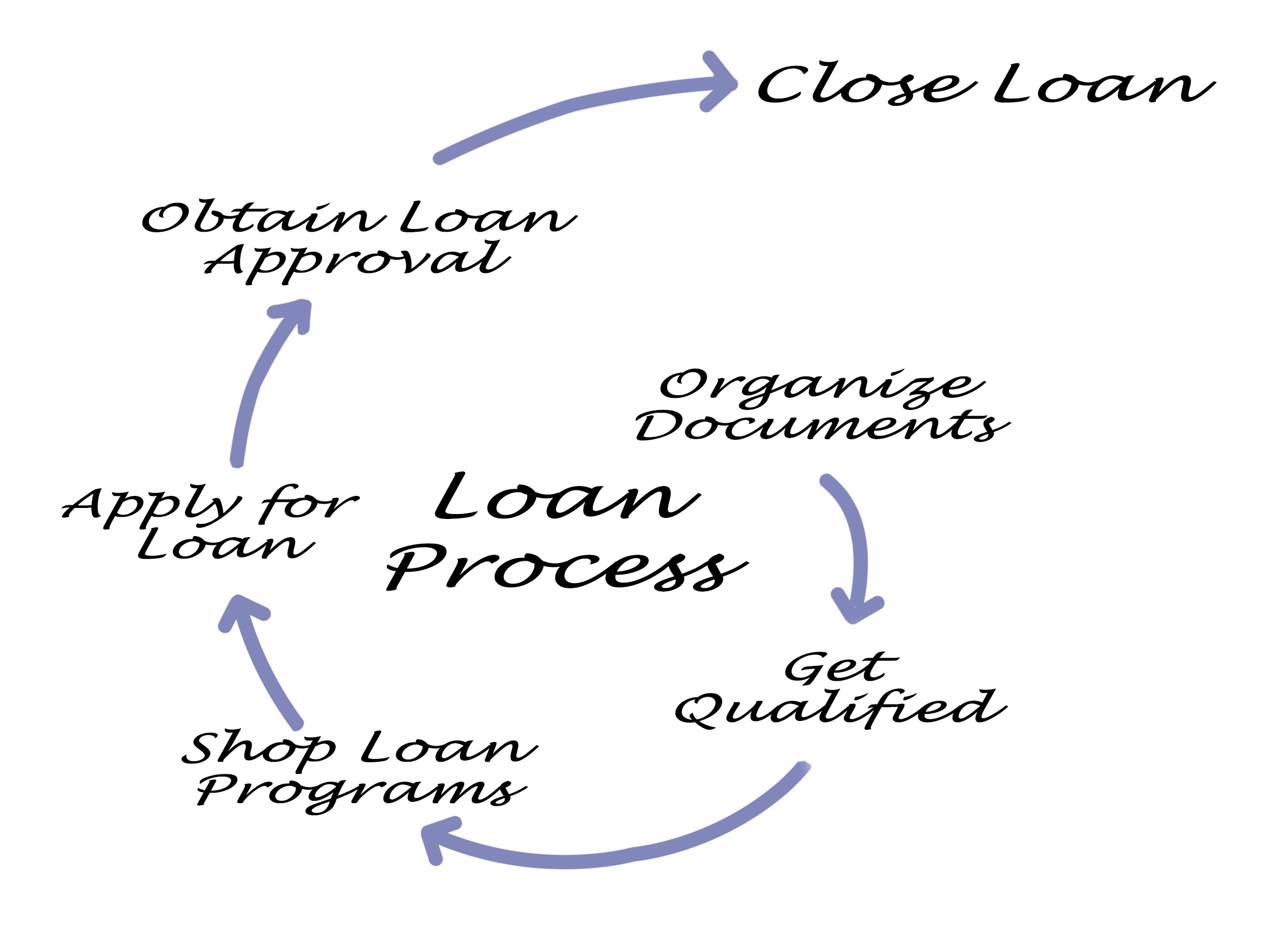
The mortgage underwriting process is the step where a lender verifies that your income, credit, assets, and the property all support the loan you applied for. An underwriter reviews your file against the loan program's guidelines and either approves it, suspends it for more information, or denies it. Knowing what they look for makes it much easier to keep your closing date on track.
Across Boca Raton, Fort Lauderdale, Miami, and the rest of South Florida, most delays I see are not caused by a bad file. They come from missing pages, unexplained deposits, or a property issue nobody checked early. After 23 years in mortgage lending, the pattern is consistent: borrowers who understand what the underwriter is trying to answer respond faster and close sooner.
Quick answer: underwriters look at four things: your ability to repay (income and debt), your credit history, your assets and cash to close, and the value and condition of the property. Everything they ask for supports one of those four.
What Is Mortgage Underwriting?
Underwriting is the risk review at the center of every mortgage. The underwriter, a person or an automated system followed by a person, compares your documents to the guidelines of the loan program, such as conventional, FHA, VA, jumbo, or non-QM. The goal is to confirm that the information on your application is accurate and that the loan fits the program's rules.
The Consumer Financial Protection Bureau's home loan process guide describes where underwriting sits between your application and closing. In practice, it often runs alongside the appraisal, title work, and insurance, which is why one missing item can slow several steps at once.
The Four Things Underwriters Review
1. Income and Employment
The underwriter needs to confirm that your income is stable and likely to continue. For salaried borrowers, that usually means recent pay stubs, W-2s, and a verification of employment. For self-employed borrowers, expect tax returns, a profit and loss statement, or bank statements depending on the program. Our self-employed loans in Florida page explains the common documentation paths, and a bank statement loan uses deposits instead of tax returns.
2. Credit History and Debt
Your credit report shows how you have handled debt, and it also lists the monthly obligations that count against you. Underwriters calculate your debt-to-income (DTI) ratio by comparing your proposed housing payment plus other monthly debts to your gross monthly income. They also look for recent late payments, collections, or new accounts opened during the process. Our guide on how your credit score changes your mortgage rate in Florida covers how score tiers affect pricing.
3. Assets and Cash to Close
Underwriters verify that you have the funds for your down payment, closing costs, and any required reserves, and that the money came from an acceptable source. That is why they review two months of bank statements and ask about large or unusual deposits. A transfer between your own accounts is easy to document. A cash deposit or a gift needs a paper trail and sometimes a gift letter.
4. The Property
The home is the collateral, so it gets its own review. The appraisal supports the value, the title search confirms ownership and liens, and the insurance confirms the property is protected. In Florida, condo documents, homeowners association details, and wind or flood insurance can add extra steps. Some buildings need a specialized approach, as we explain in our article on non-warrantable condo financing in Florida.
Common Documents Underwriters Ask For
- Identity and residency: government ID and, for some borrowers, proof of lawful presence.
- Income: recent pay stubs, W-2s, and tax returns, or business documents if you are self-employed.
- Assets: two months of statements for checking, savings, and investment accounts.
- Debts and housing history: statements for loans and cards, plus rent or mortgage history when needed.
- Purchase contract and property documents: the signed contract, deposit proof, and any HOA or condo paperwork.
- Letters of explanation: short written explanations for credit events, employment gaps, or large deposits.
What Are Underwriting Conditions?
Most files do not get a clean approval on the first pass. Instead, the underwriter issues a conditional approval with a list of items to satisfy before the loan is cleared to close. Conditions are normal. They might ask for an updated pay stub, a source for a deposit, a revised insurance policy, or a repair confirmation after the appraisal.
The fastest way through conditions is to respond completely, in one submission, instead of sending documents piece by piece. If something is unclear, ask your loan officer what the underwriter is trying to confirm. That question usually reveals exactly which document will clear it.
How Long Does Underwriting Take?
Timing depends on the loan type, how complete the file is, and how quickly third parties deliver reports. A straightforward conventional file can move quickly, while self-employed, jumbo, condo, or non-QM files often take longer because there is more to verify. Your lender can give a realistic estimate once your documents are in, and your contract's closing date and your rate lock period should be built around it. Our article on Florida mortgage rate lock strategy explains how to match a lock to your timeline.
How to Prepare Before You Apply
- Gather documents first: assemble income, asset, and ID documents before you submit an application.
- Keep your finances steady: avoid new credit, job changes, and large unexplained deposits until closing.
- Explain anything unusual early: tell your loan officer about gaps, collections, or gifts so the explanation is ready.
- Respond the same day: underwriting conditions are time sensitive, especially near your closing date.
- Get pre-approved with documents reviewed: a document-based pre-approval surfaces problems before you are under contract. You can also run your numbers in our Florida mortgage calculator.
Frequently Asked Questions About the Mortgage Underwriting Process
What do underwriters look for first?
They start with whether your income and debts support the payment, then verify credit, assets, and property details. Each program has its own limits for debt-to-income and credit, so the exact priorities vary by loan type.
Can underwriting deny a loan after pre-approval?
Yes. A pre-approval is based on the information available at that time. A final approval depends on the verified documents, the appraisal, the title work, and no major changes before closing, such as new debt or a job change.
Should I avoid big purchases during underwriting?
Generally yes. New loans or credit cards change your debt picture and credit report, and lenders often re-check credit shortly before closing. Wait until after closing for furniture, vehicles, and other financed purchases.
Do self-employed borrowers go through underwriting differently?
The review has the same goals, but the documents differ. Self-employed borrowers often provide business tax returns, profit and loss statements, or bank statements, and underwriters look at the stability of the business income over time.
Bottom Line for Florida Buyers
Underwriting is not a mystery. It is a structured check of income, credit, assets, and property against the rules of your loan program. The more complete and consistent your file is at the start, the fewer conditions you will face later.
If you would like Louis Doherty's team to review your documents before they reach an underwriter, call (954) 395-1959 or start a pre-approval online.
Louis Doherty, NMLS #60093, operates under Edge Home Finance, LLC, NMLS #891464. We are an Equal Housing Lender. All loans are subject to underwriting approval and program guidelines. This article is general information, not a loan commitment.
Want Your Loan File Reviewed Before Underwriting Does?
Get a Florida mortgage file review that checks income, credit, assets, and property issues up front, so conditions are easier to clear.